Quiet Space Club Blog
Evidence-based insights on creating neuro-inclusive workspaces, sensory-friendly design, and supporting neurodivergent professionals in the workplace.
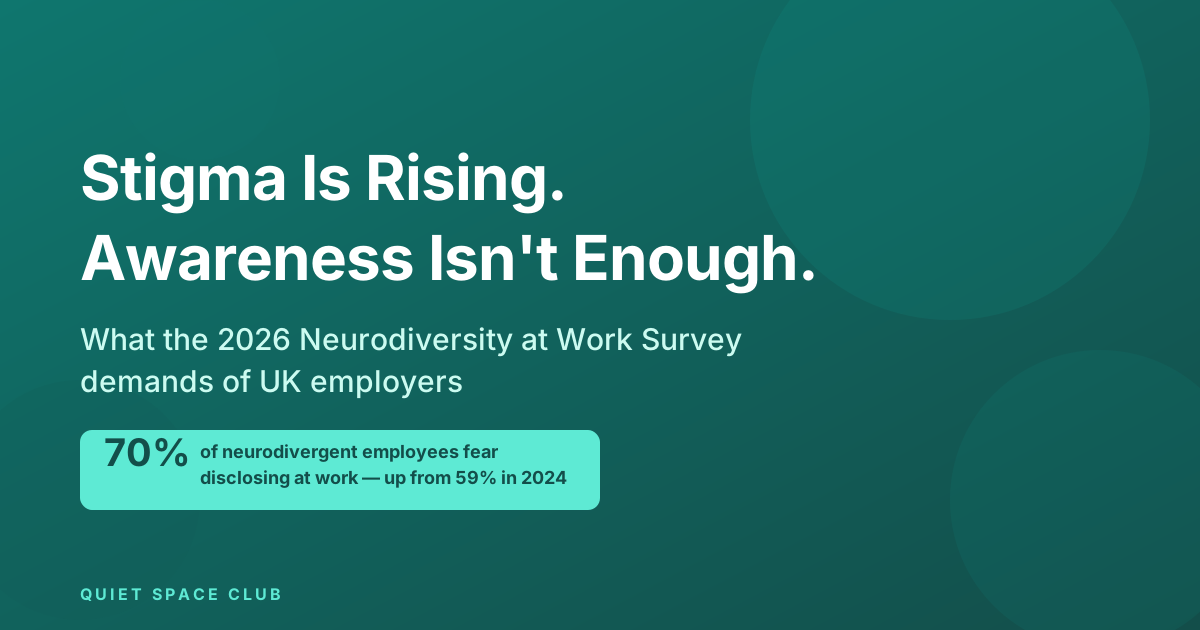
The Stigma Paradox: Why Neurodivergent Disclosure Fear Is Rising in 2026 Despite Record Awareness
New Understood.org data shows 70% of neurodivergent workers fear disclosure — up from 59% in 2024. Here's what UK employers must do about the widening awareness-action gap.
Read article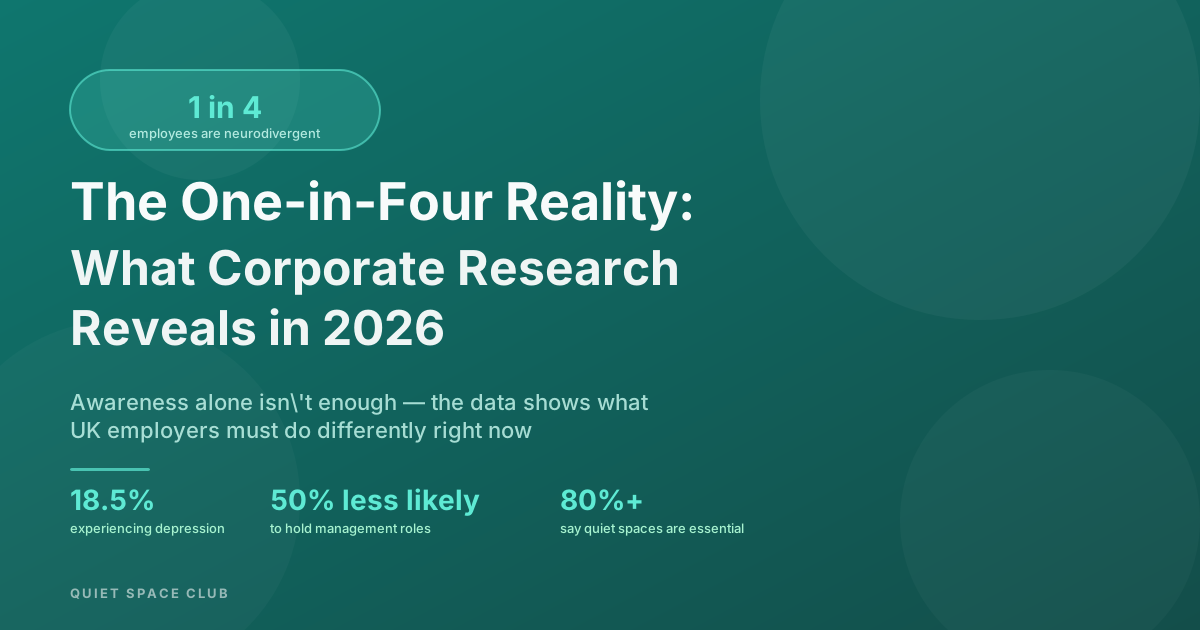
The One-in-Four Reality: What 2026 Corporate Research Reveals About Neurodivergent Employees
New research finds 1 in 4 corporate employees are neurodivergent — yet most face daily barriers to progression, wellbeing, and inclusion. Here's what the data demands of UK employers.
Read article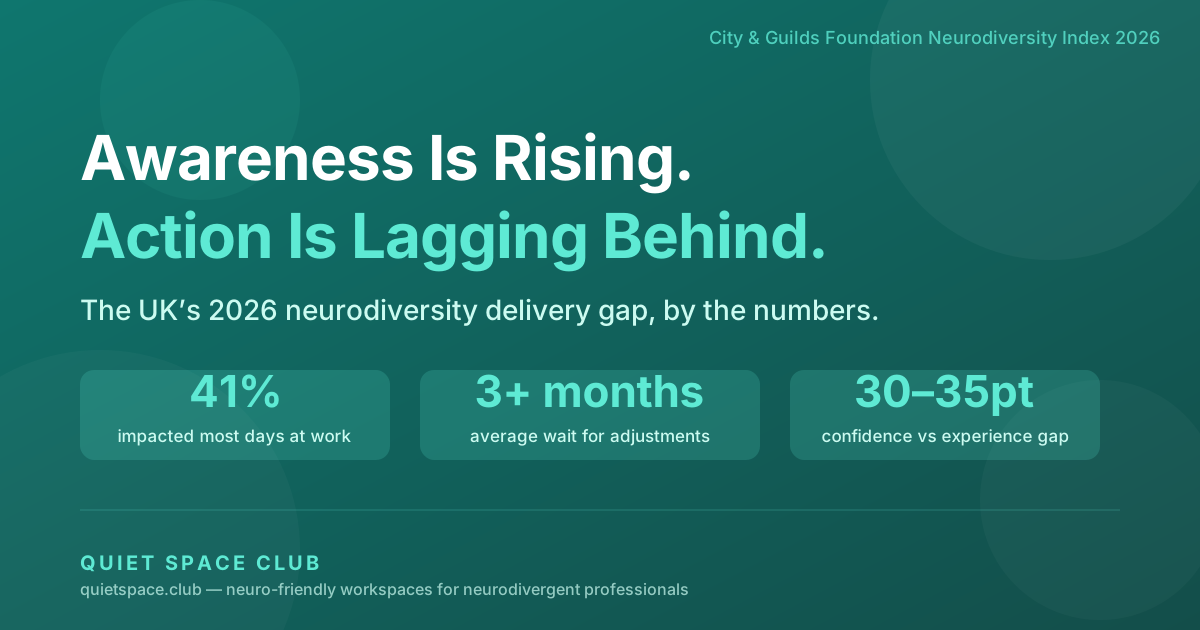
Awareness Isn't Enough: What the City & Guilds Neurodiversity Index 2026 Really Tells UK Employers
The 2026 Neurodiversity Index reveals a widening gap between employer confidence and employee experience. Here's what the data means for UK workplaces right now.
Read article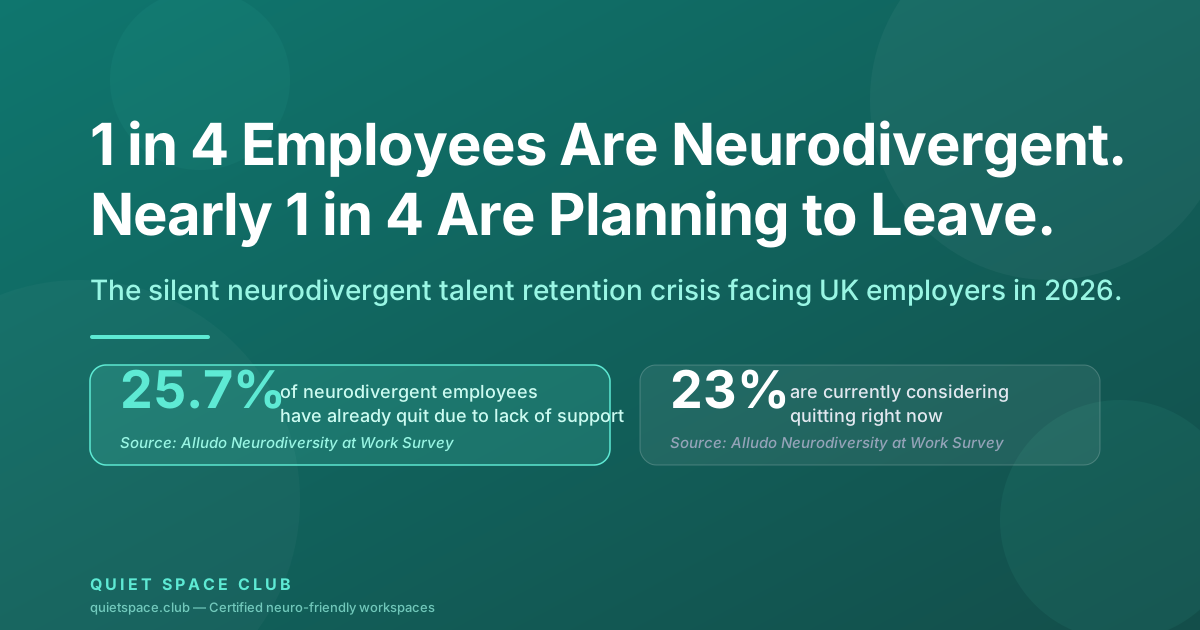
The Neurodivergent Talent Exodus: Why 1 in 4 Employees Are Neurodivergent — and Nearly 1 in 4 Are Planning to Leave in 2026
New data shows 25.7% of neurodivergent employees have already quit due to lack of support, and 23% are considering it now. UK employers are sleepwalking into a retention crisis.
Read article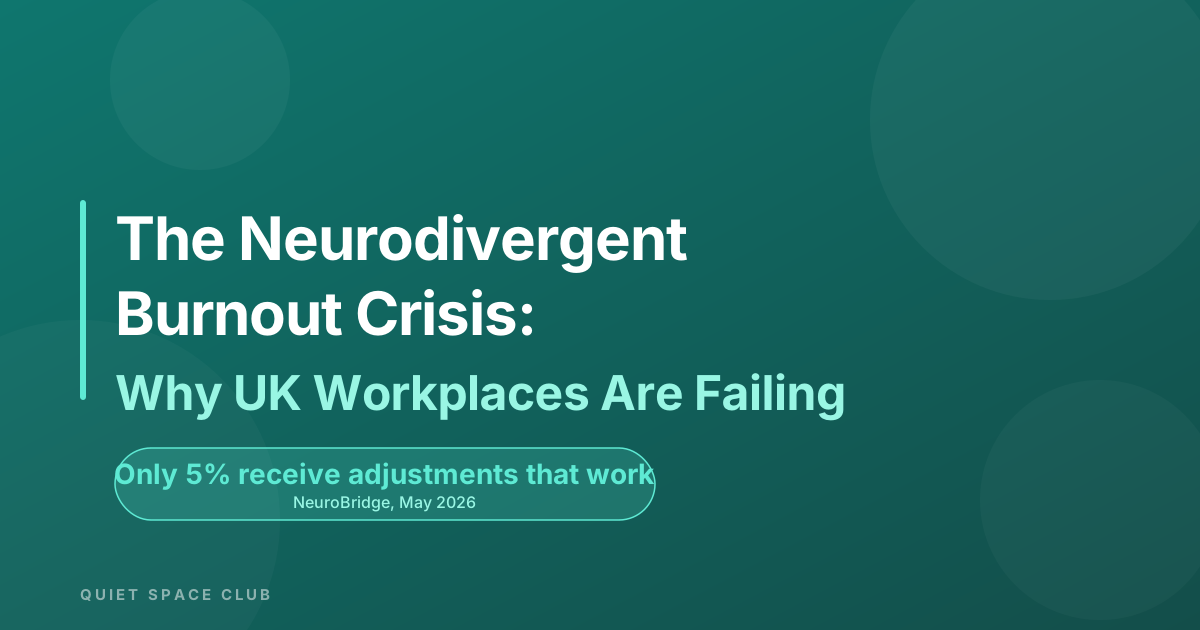
The Neurodivergent Burnout Crisis: Why Only 5% of UK Workers Get the Support They Need in 2026
New data shows 82% of neurodivergent employees receive no workplace adjustments, and burnout is accelerating. Here's what the evidence says — and what must change.
Read article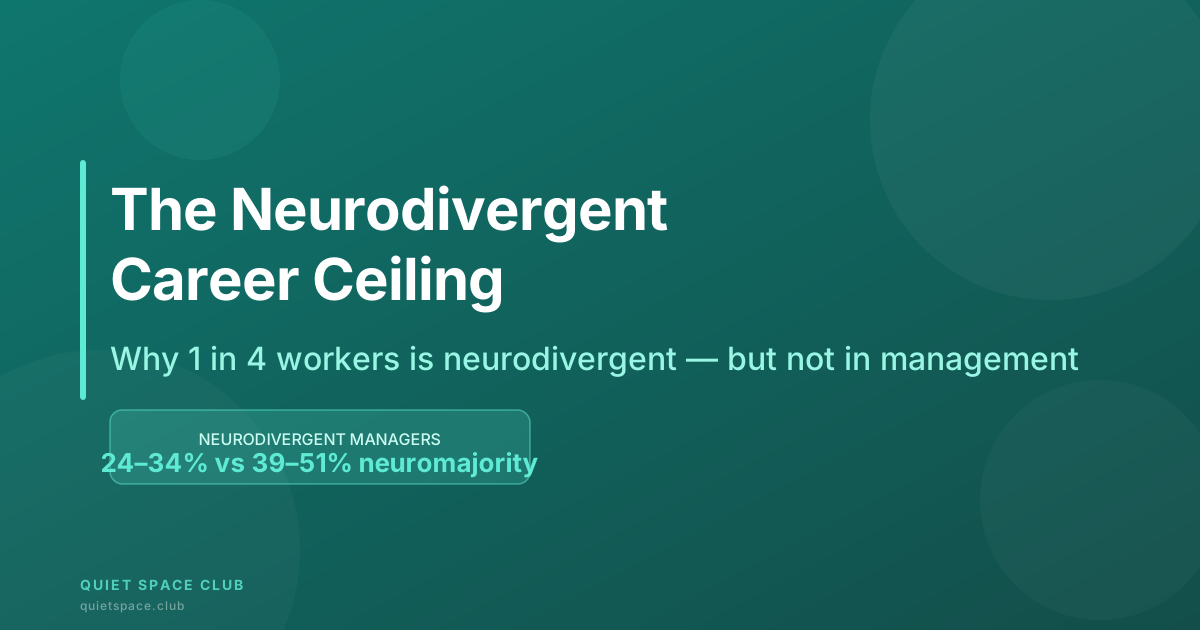
The Neurodivergent Career Ceiling: Why 1 in 4 Workers Is Neurodivergent — But Missing From Management in 2026
New research shows 25% of corporate employees are neurodivergent, yet they hold fewer management roles. Here's what the data reveals about the career progression gap.
Read article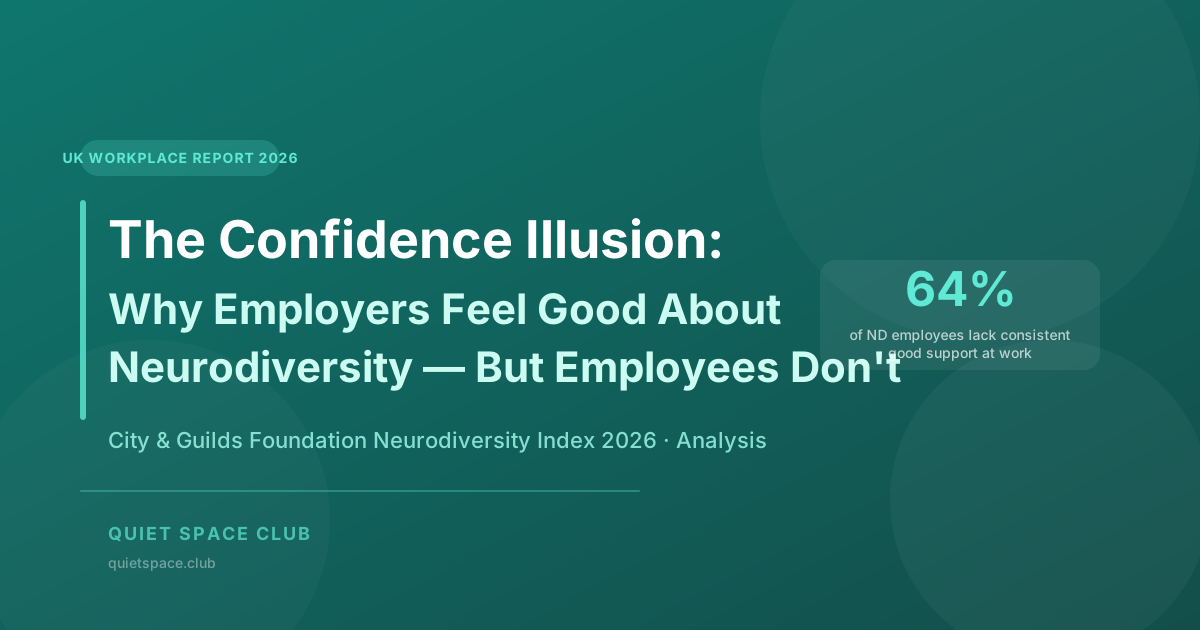
The Confidence Illusion: Why UK Employers Feel Good About Neurodiversity in 2026 — But Employees Don't
The City & Guilds 2026 Neurodiversity Index reveals a troubling paradox: employer confidence is rising while neurodivergent employees' lived experience is getting worse.
Read article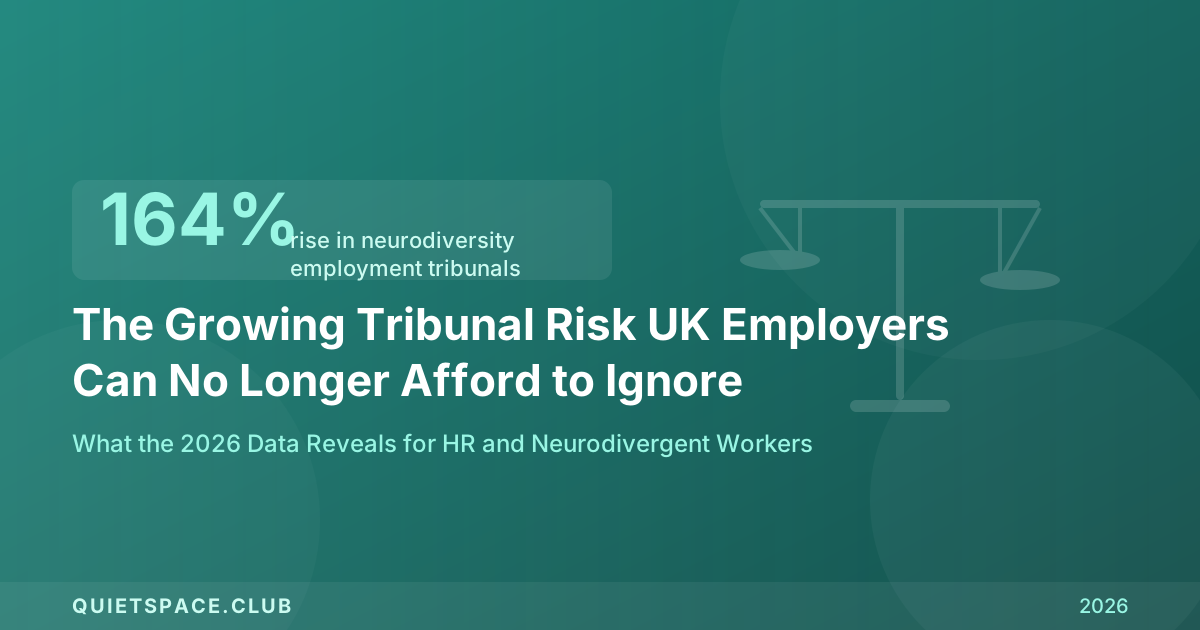
Neurodiversity Employment Tribunals Have Risen 164% in Four Years — What Every UK Employer Needs to Know in 2026
UK neurodiversity-related employment tribunals have surged 164% in four years. New 2026 data reveals why — and what HR teams must do now to protect their people and their organisation.
Read article
Only 5% of Neurodivergent Employees Get Adjustments That Work — The Disclosure Barrier Explained (2026)
New UK data reveals 82% of neurodivergent employees have no workplace adjustments. The reason isn't a broken process — it's a broken precondition: disclosure.
Read article
Neuroinclusion Pays: The 2026 ROI Data Every UK Employer Needs to See
From SAP's £31m saving to EY's 1.4x productivity uplift, the business case for neuroinclusion is now undeniable. Here's what 2026 data from UK's leading employers reveals.
Read article
Return-to-Office Is Triggering a Neurodiversity Accommodation Crisis — What the 2026 Data Reveals
RTO mandates are flooding UK HR teams with neurodiversity accommodation requests they're not equipped to handle. Government data shows 13x autism waiting list growth since 2019.
Read article
78% of Neurodivergent Employees Now Use AI at Work — and It's Changing Everything in 2026
New Understood.org survey data reveals 78% of neurodivergent workers use AI tools — 19 points more than neurotypical peers. Here's what the data means for inclusion.
Read article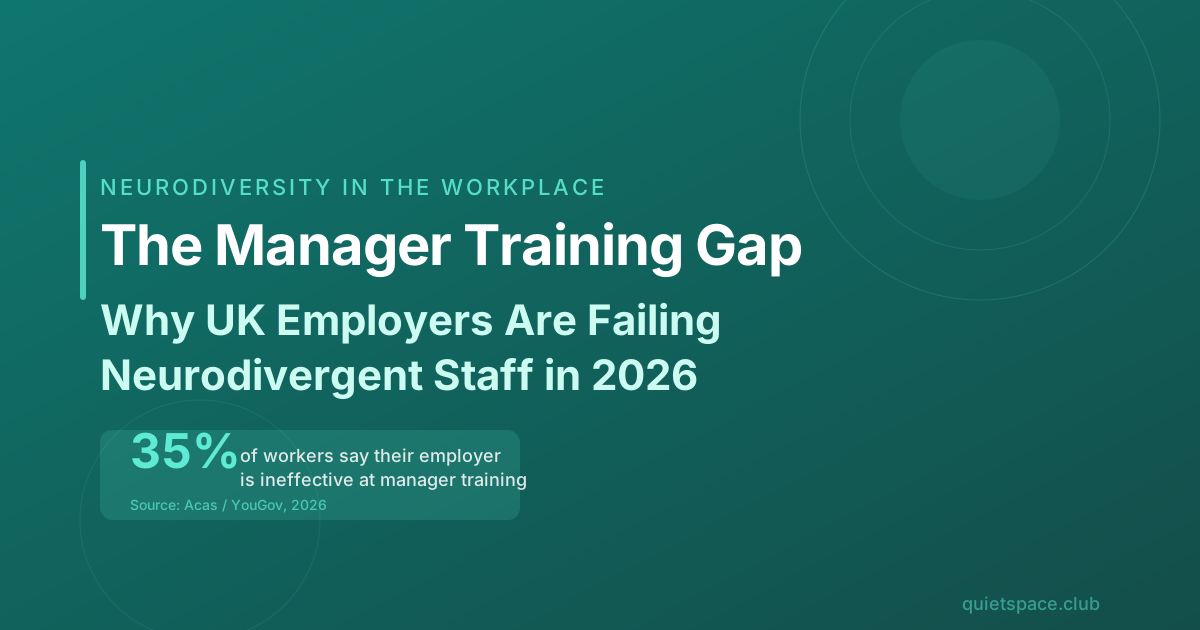
The Manager Training Gap: Why 35% of UK Workers Say Their Employer Is Failing on Neurodiversity in 2026
A new Acas/YouGov survey finds 35% of UK workers say their employer is ineffective at neurodiversity manager training — here's what the data means for your workplace.
Read article
Create a sensory friendly meeting room in 2026
Learn how to create sensory friendly meeting rooms that reduce overload for neurodiverse professionals through lighting, sound control, flexible participation, and inclusive planning.
Read article
Defining inclusive workspaces for neurodiverse professionals
Discover how to identify truly inclusive workspaces for neurodiverse professionals through evidence-based design, sensory adaptations, and systematic evaluation frameworks.
Read article