Neurodiverse professionals often struggle in traditional meeting rooms where fluorescent lights buzz, conversations overlap, and rigid seating creates discomfort. These environments trigger sensory overload that reduces productivity and wellbeing. This guide shows you how to design meeting spaces that support cognitive diversity, reduce stress, and enable everyone to contribute effectively.
Key takeaways
| Point | Details |
|---|---|
| Environmental controls matter | Adjusting lighting, sound, and seating reduces sensory triggers and supports focus. |
| Clear communication reduces anxiety | Sharing detailed agendas 24 hours before meetings helps neurodiverse attendees prepare and engage confidently. |
| Multiple participation options empower everyone | Offering verbal, written, and chat channels ensures all attendees can contribute comfortably. |
| Regular breaks prevent fatigue | Scheduling breaks every 60 minutes combats sensory overload and maintains attention. |
| Feedback drives continuous improvement | Tracking stress levels and participation patterns helps refine meeting room features over time. |
Prerequisites: preparing for a sensory friendly meeting room process
Before implementing sensory friendly meeting rooms, you need foundational knowledge and resources. Understanding neurodiversity and how sensory processing varies helps you identify which environmental factors cause distress. Without this baseline awareness, modifications may miss crucial triggers.
Secure organisational buy in early. Commitment to inclusivity and staff training ensures everyone understands why changes matter and how to support neurodiverse colleagues. Leadership support also unlocks budgets for physical modifications and sensory tools.
Gather essential sensory accommodations before your first inclusive meeting:
- Noise cancelling headphones for attendees sensitive to ambient sound
- Earplugs as a quieter alternative
- Fidget tools like stress balls or textured items to support focus
- Dimmable lighting controls or lamps with adjustable brightness
- Flexible seating options including standing desks and movement friendly chairs
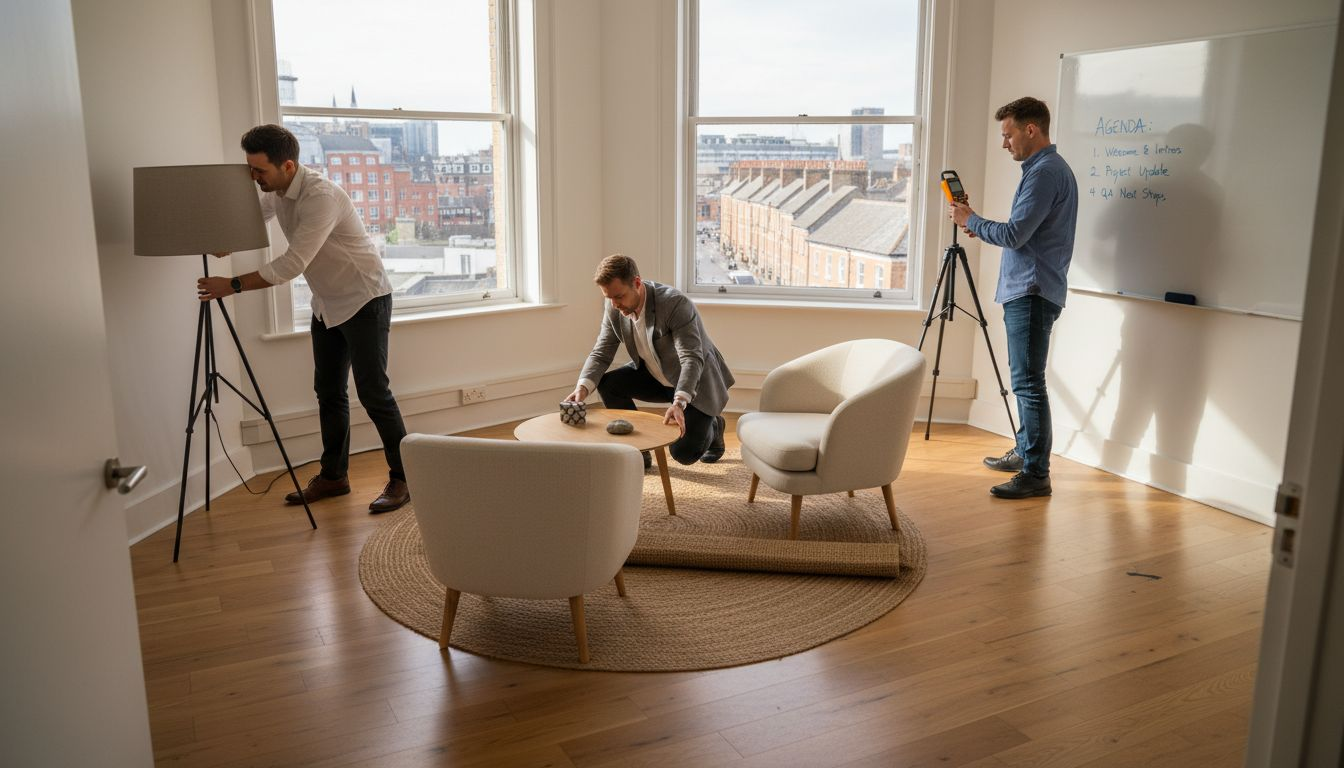
You also need permission to modify meeting spaces physically. This might involve installing acoustic panels, changing light fixtures, or rearranging furniture. Partnering with facilities teams and workspace providers certification programmes helps identify which changes deliver the most impact for your specific environment.
Pro Tip
Create a sensory accommodation checklist that attendees can review before booking meeting rooms, helping them identify spaces that match their needs.
Physical environmental adjustments for sensory comfort
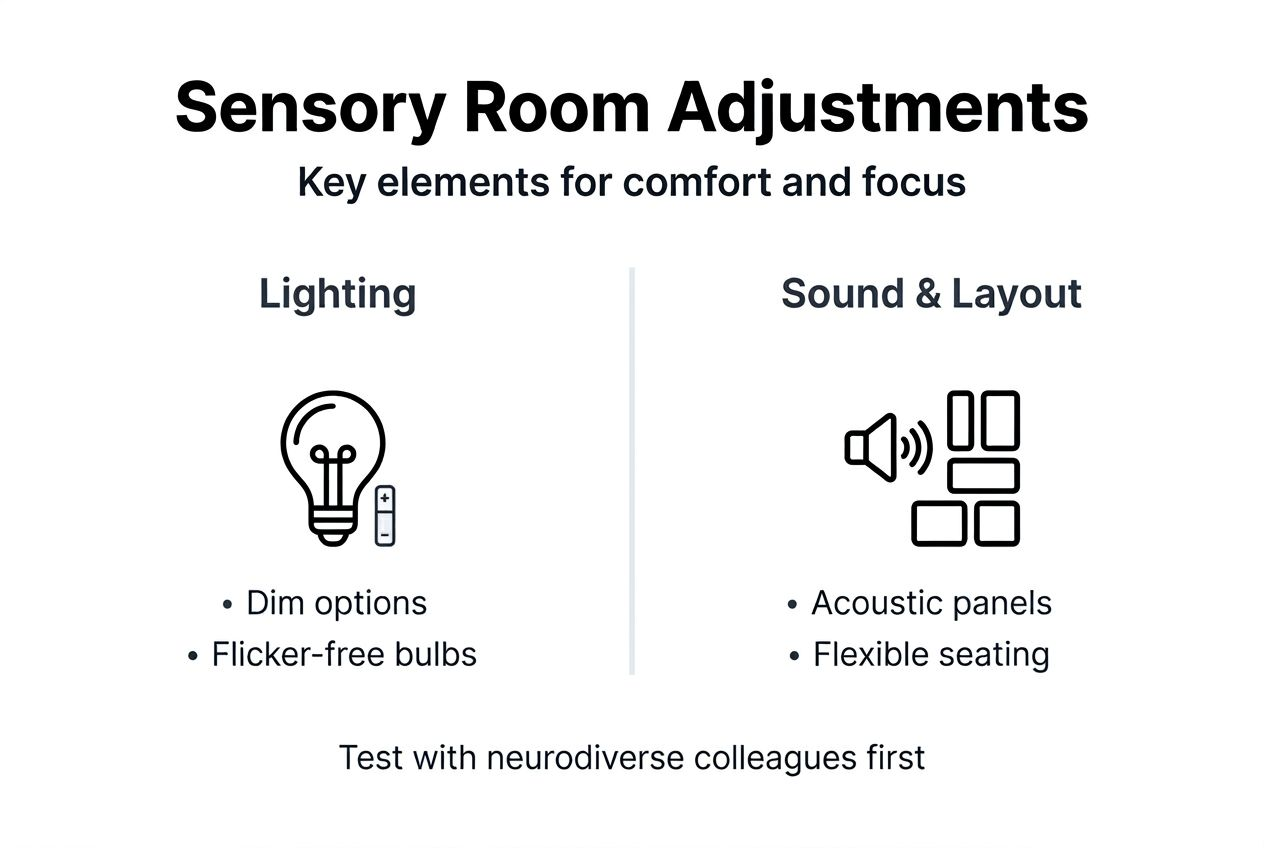
Lighting dramatically affects comfort for neurodiverse professionals. Harsh fluorescent lights often flicker imperceptibly, causing headaches and distraction. Replace them with dimmable LED fixtures that offer warm colour temperatures. Natural light works best when you can control glare with blinds or curtains.
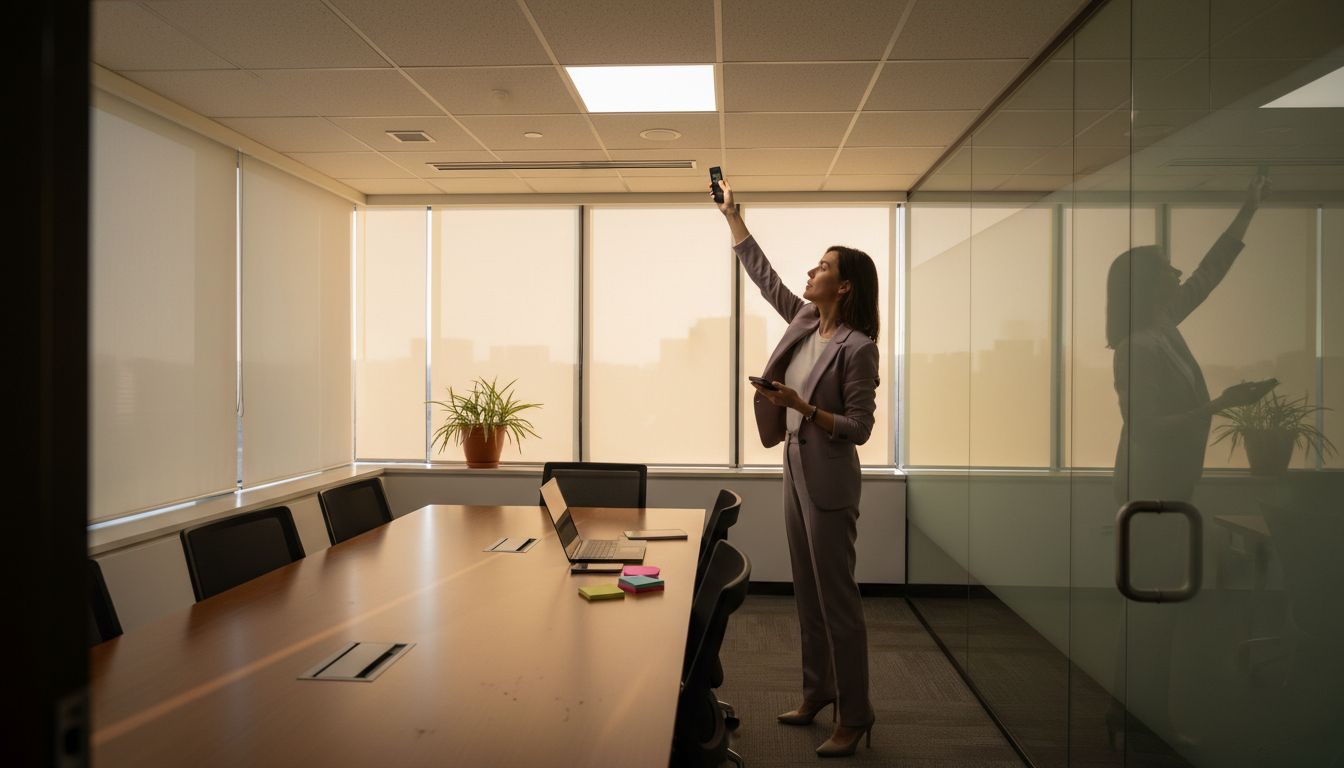
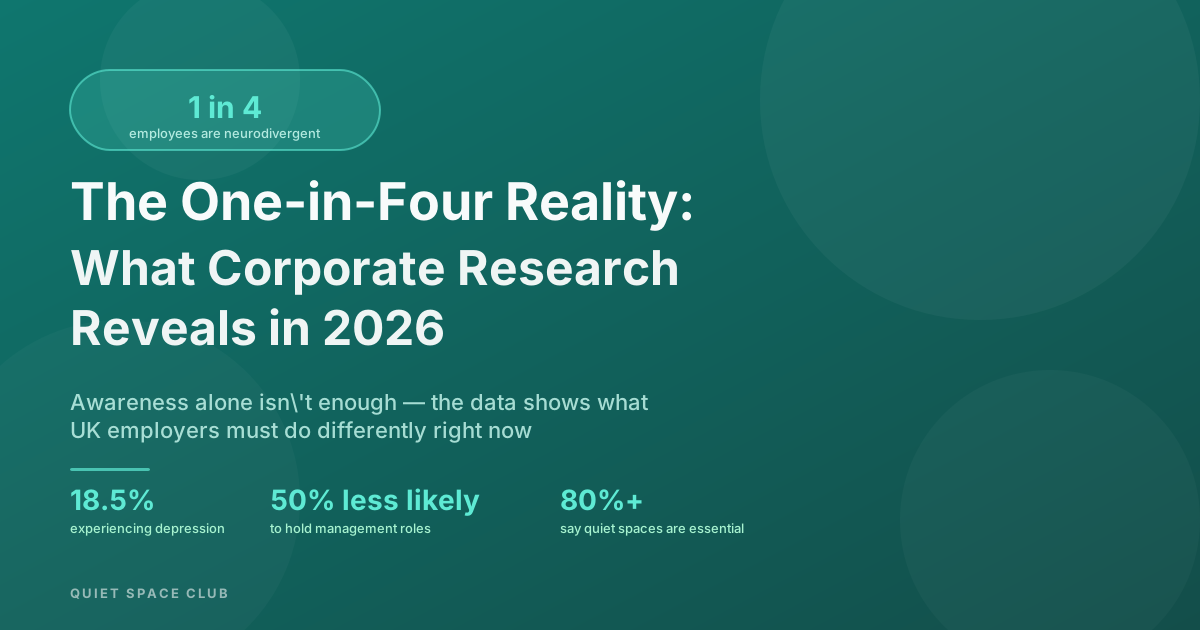
Sound control requires multiple strategies. 65% of neurodivergent individuals experience sensitivity to both sound and light, making acoustic management essential. Install sound absorbing panels on walls and ceilings. Choose rooms away from high traffic corridors. Carpet dampens footsteps better than hard flooring.
Seating and layout flexibility lets attendees choose what works for them. Fixed conference tables force everyone into identical positions, which may feel restrictive. Instead, provide moveable chairs, standing desk options, and small side tables. Leave space for attendees to stand or pace without blocking sightlines.
Creating quiet rooms with natural lighting, comfortable seating, and sensory tools significantly reduces overload. Stock meeting rooms with a sensory toolkit containing earplugs, fidgets, and stress balls. Place these items discreetly on a side table so attendees can access them without asking.
Visual clutter competes for attention and increases cognitive load. Remove unnecessary decorations, posters, and equipment from meeting spaces. Use neutral wall colours instead of busy patterns. Keep whiteboards clean between sessions.
| Environmental factor | Problem | Solution |
|---|---|---|
| Lighting | Fluorescent flicker causes headaches | Install dimmable warm LED lights |
| Sound | Ambient noise disrupts focus | Add acoustic panels and choose quiet rooms |
| Seating | Fixed positions feel restrictive | Provide moveable chairs and standing options |
| Visual input | Clutter increases cognitive load | Minimise decorations and use neutral colours |
Pro Tip
Test your meeting room modifications with a small group of neurodiverse colleagues before rolling out changes company wide, gathering specific feedback on what works.
Consider exploring neuro-friendly meeting spaces that already meet accessibility standards if modifications prove challenging in your current location.
Pre-meeting communication and planning
Uncertainty amplifies anxiety for many neurodiverse professionals. Sending detailed agendas at least 24 hours before meetings gives attendees time to prepare questions, review materials, and mentally rehearse participation. Include timing for each agenda item so people can pace their energy accordingly.
Clear communication of meeting objectives, roles, and accommodations reduces confusion and stress. Specify who will lead each discussion, what decisions need making, and what preparation attendees should complete beforehand. This structure helps everyone arrive ready to contribute.
Invite attendees to share sensory or participation needs proactively. Include a simple question in meeting invitations: "Do you need any accommodations to participate fully?" This normalises requesting adjustments and gives you time to arrange them.
Explain meeting etiquette at the start of each session:
- How to signal you want to speak
- Whether interruptions are acceptable
- How decisions will be made
- When breaks will occur
- How to step out briefly if needed
These guidelines reduce social uncertainty and help neurodiverse attendees navigate unwritten rules that neurotypical colleagues may take for granted.
Pro Tip
Create meeting agenda templates that prompt organisers to include timing, participation methods, and accommodation requests, making inclusive planning automatic.
The NeuroFlow assessment process demonstrates how systematic evaluation of workspace features supports neurodiverse needs.
Inclusive participation formats during meetings
Forcing everyone to participate identically excludes people whose cognitive styles differ from the majority. Offer verbal contributions, written responses in shared documents, and chat messages as equally valid ways to join discussions. This flexibility lets attendees choose methods that match their processing speed and communication preferences.
Using colour coded badges allows attendees to signal social interaction preferences, enhancing comfort and lowering stress. Green means open to conversation, yellow indicates selective interaction, and red signals a need for minimal contact. These visual cues remove the awkwardness of verbally declining social engagement.
Cognitive fatigue accumulates during meetings. Scheduling breaks every hour helps reduce sensory fatigue and overload. Even five minute breaks let attendees step outside, move around, or simply rest in silence. Without breaks, focus deteriorates and sensory sensitivity intensifies.
Allow attendees to move or temporarily leave without disruption. Standing, pacing, or briefly exiting the room helps some people maintain attention. Frame this as normal rather than disruptive: "Feel free to stand, move, or step out as you need throughout our discussion."
Adapt meeting length and activities to support sustained engagement. Shorter, focused sessions often produce better outcomes than marathon meetings. Break complex topics across multiple shorter gatherings rather than forcing everything into one exhausting block.
| Participation method | Benefits | Best for |
|---|---|---|
| Verbal contribution | Immediate interaction | Quick exchanges and brainstorming |
| Written in shared docs | Time to formulate thoughts | Complex ideas and detailed input |
| Chat messages | Lower pressure participation | Questions and brief comments |
| Breaks every 60 minutes | Reduces fatigue | All meeting types |
Explore neurodiverse workspace examples that successfully implement these participation strategies across different professional settings.
Common mistakes and how to fix them
Many organisations fail to send agendas early enough. Last minute information prevents neurodiverse attendees from preparing adequately, increasing anxiety and reducing contribution quality. Fix this by making 24 hour advance notice a mandatory meeting policy.
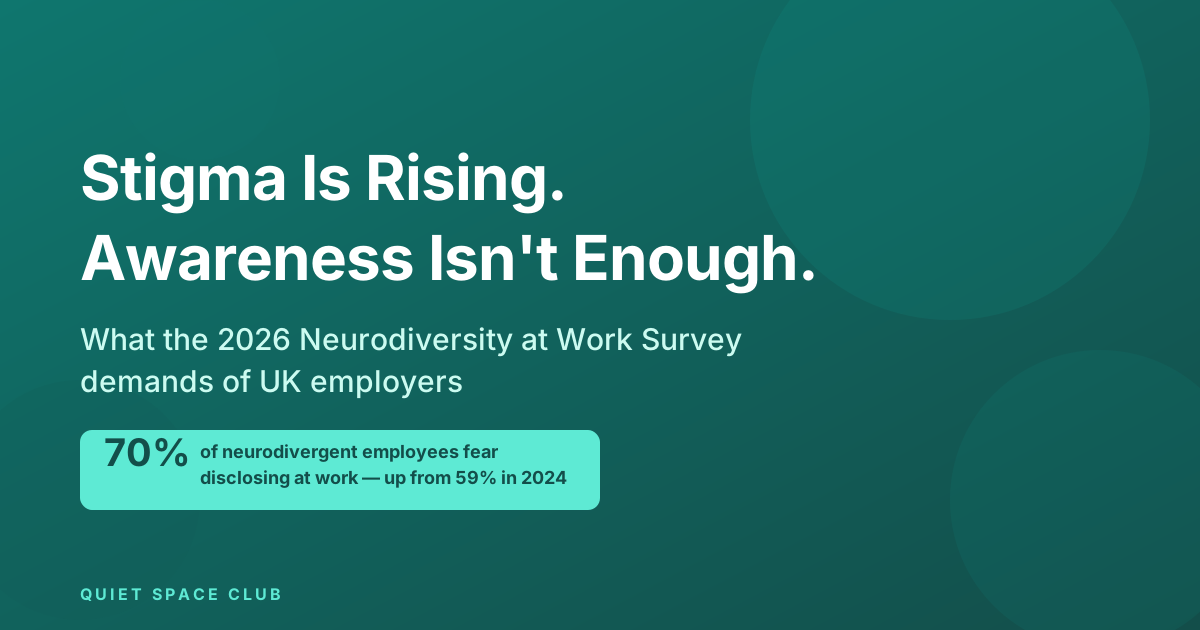
Ignoring lighting and noise control causes persistent distraction and discomfort. Even small improvements matter. Ignoring sensory accommodations leads to stress, with 85% of neurodivergent employees reporting productivity loss due to workplace stress. Start with simple changes like turning off half the fluorescent lights or providing noise cancelling headphones before pursuing expensive renovations.
Limiting participation to verbal contributions excludes attendees who process information differently. Add a shared document where people can type responses alongside spoken discussion. This takes seconds to set up but dramatically expands who can participate comfortably.
Skipping breaks seems efficient but backfires. Fatigue compounds sensory sensitivity, making the second half of long meetings significantly harder for neurodiverse attendees. Schedule breaks proactively rather than waiting for people to ask, which many will not do despite needing rest.
Poor role and expectation communication creates social uncertainty. Some neurodiverse professionals struggle with implicit social rules that others intuitively grasp. Explicitly state how the meeting will run, who will speak when, and how decisions get made. This clarity helps everyone participate confidently.
Measuring success and expected outcomes
Track how often attendees report sensory related stress or discomfort. Use brief post meeting surveys with simple rating scales: "How comfortable was the sensory environment today?" Declining stress scores indicate your modifications work. Rising scores signal new problems to address.
Monitor participation across different channels. Are more people contributing via chat or written documents than before? Increased diversity in participation methods shows your inclusive formats succeed.
Gather qualitative feedback specifically from neurodiverse attendees. Ask open questions like:
- What sensory aspects helped you focus?
- Which accommodations made the biggest difference?
- What would improve your comfort further?
- Did you feel able to participate fully?
Measure practical outcomes like meeting punctuality, task completion rates, and information retention. Sensory friendly environments should improve these metrics as attendees experience less cognitive drain.
Use feedback loops to refine continuously. Review survey results quarterly. Test new accommodations with small groups before broader rollout. Invite neurodiverse colleagues to co design improvements rather than guessing what might help.
How NeuroIndex supports sensory friendly meeting spaces
Finding meeting rooms that truly accommodate neurodiverse needs takes time and guesswork. Many spaces claim accessibility without understanding what neurodiverse professionals actually require.
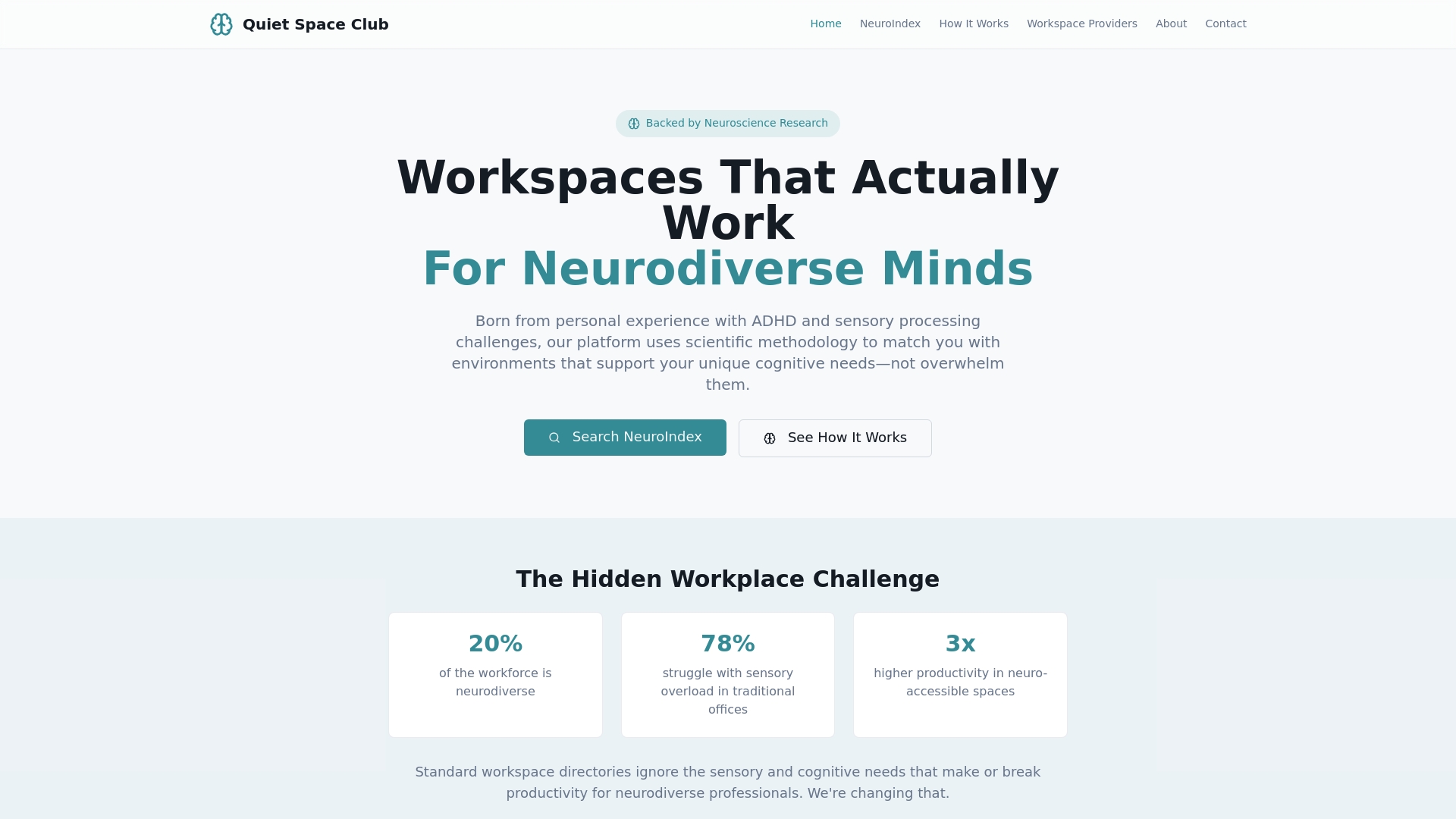
The NeuroIndex platform evaluates meeting rooms using evidence based criteria that matter for sensory comfort. Each space receives detailed scoring on lighting quality, acoustic control, seating flexibility, and sensory tool availability. You can search specifically for rooms matching your team's needs rather than hoping generic accessibility features will work.
The workspace certification program helps venue providers understand what creates genuinely neuro friendly environments. Certified spaces undergo specialist assessment, ensuring they meet consistent standards.
When you need to find neuro-friendly meeting rooms quickly, the searchable database shows verified options across UK cities. Filter by specific accommodations like quiet rooms, adjustable lighting, or break spaces. Read reviews from other neurodiverse professionals about their actual experiences in each venue.
Frequently asked questions
What is a sensory friendly meeting room?
A sensory friendly meeting room controls environmental factors like lighting, sound, and layout to reduce triggers that cause stress or distraction for neurodiverse individuals. These spaces typically feature adjustable lighting, acoustic treatments, flexible seating, and sensory tools. They prioritise cognitive comfort alongside functional meeting needs.
How can I prepare before booking a sensory friendly meeting room?
Clarify your specific sensory needs and those of expected attendees through a simple survey or conversation. Review the room's lighting options, sound control features, and seating flexibility before committing. Confirm availability of sensory tools like noise cancelling headphones, earplugs, or fidget items.
What are common mistakes to avoid when organising sensory friendly meetings?
Failing to share detailed agendas at least 24 hours in advance prevents attendees from preparing adequately. Ignoring noise and lighting adjustments maintains the sensory triggers you aim to eliminate. Not providing scheduled breaks every 60 minutes allows fatigue to accumulate. Limiting participation to verbal contributions only excludes people who process differently.
How do I measure if my meeting room process is working well?
Track stress and engagement levels through brief post meeting surveys with simple rating scales. Observe whether participation diversifies across verbal, written, and chat channels. Collect qualitative feedback from neurodiverse attendees about specific features that helped or hindered their comfort. Monitor practical outcomes like meeting punctuality and task completion rates.